
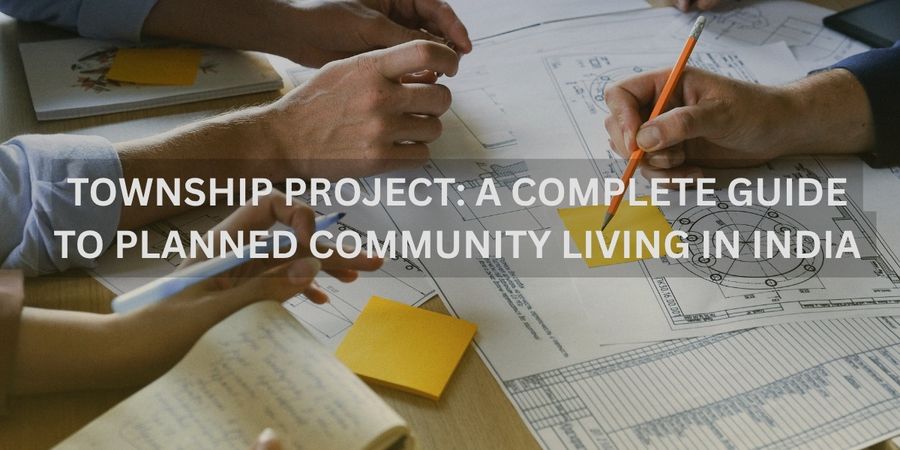
India’s real estate market is changing rapidly as homebuyers look beyond individual apartments and conventional residential buildings. Modern buyers increasingly want a complete lifestyle that combines comfortable homes, green spaces, security, recreation, retail facilities, and essential services within the same community. This growing preference has contributed to the popularity of the township project concept across major metropolitan areas, emerging cities, and developing urban corridors.
A well-planned township project is designed to provide more than just residential units. It can create an integrated neighborhood where residents have access to schools, healthcare facilities, shopping areas, parks, sports amenities, roads, community spaces, and other everyday conveniences. This integrated approach can make urban living more organized and convenient.
As Indian cities expand, planned communities are becoming increasingly relevant. Rising populations, traffic congestion, infrastructure requirements, and changing lifestyles have encouraged developers to create large-scale residential destinations that offer a more comprehensive living experience.
What Is a Township Project?
A township project is a large-scale, planned development that generally combines residential spaces with supporting infrastructure and lifestyle facilities. Unlike a conventional apartment complex, a township is typically developed across a larger land parcel and may include multiple residential clusters, commercial areas, educational institutions, healthcare facilities, recreational zones, parks, roads, and community infrastructure.
The objective of a township project is to create a self-contained or semi-self-contained community. Residents may be able to access many essential services without travelling long distances outside the development.
Depending on the project’s scale and planning, a township can include apartments, villas, plotted developments, retail outlets, offices, clubhouses, sports facilities, walking paths, landscaped gardens, children’s play areas, and community centers.
Another important characteristic is master planning. Instead of constructing buildings individually, developers plan the overall community layout, including roads, open spaces, utility infrastructure, residential zones, commercial areas, and public amenities.
Why Township Projects Are in High Demand Across India
The demand for integrated communities is closely connected to changing consumer expectations. Earlier, many homebuyers primarily focused on the size, price, and location of an apartment. Today, buyers increasingly evaluate the complete lifestyle offered by a residential development.
A major advantage of a township project is convenience. Residents may have access to supermarkets, fitness centers, parks, recreational spaces, schools, and other facilities within or close to the development.
Work-life balance is another important consideration. Long commuting times have become a major challenge in several Indian cities. A thoughtfully planned township can reduce the need for frequent travel by bringing essential services closer to residential areas.
The growing popularity of township projects in Dehradun is giving homebuyers access to diverse housing options, from comfortable 2 BHK flats in Dehradun to spacious 3 BHK and 4 BHK residences. For buyers seeking a premium lifestyle, a penthouse in Dehradun can offer additional space, privacy, and modern amenities within a well-planned community.
Township Projects vs Standalone Apartments
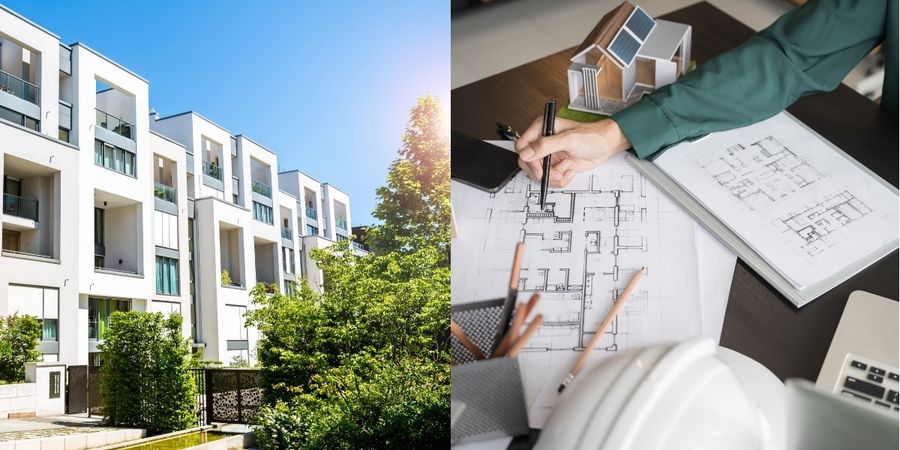
Standalone apartments and integrated townships serve different housing preferences. A standalone apartment building generally focuses on residential accommodation, while a township is planned as a broader community.
| Feature | Township Project | Standalone Apartment |
| Scale | Usually large-scale | Usually smaller |
| Planning | Master-planned community | Building-focused |
| Amenities | Extensive and diverse | Often limited |
| Green spaces | Larger planned areas | Usually smaller |
| Commercial facilities | May be integrated | Often external |
| Community facilities | Multiple options | Limited or moderate |
| Infrastructure | Planned at community level | Primarily building-level |
| Lifestyle | Integrated | More residential-focused |
The biggest distinction is the ecosystem. In a standalone apartment, residents may need to travel outside the property for shopping, recreation, education, healthcare, or other services. A township project attempts to bring several of these requirements together.
However, buyers should not assume that every township offers the same level of infrastructure. The quality of planning, construction, maintenance, connectivity, amenities, and management can vary significantly between projects.
Why Township Projects Are Growing Across Dehradun
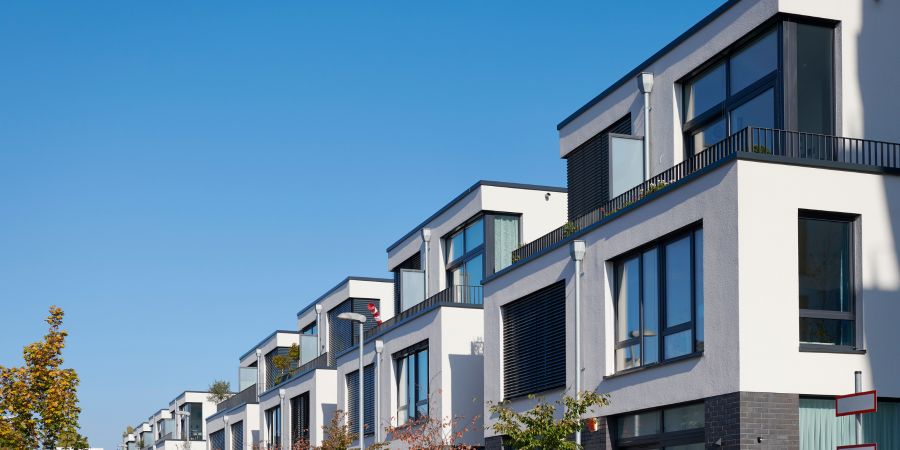
Dehradun is emerging as an attractive residential destination due to its improving infrastructure, growing connectivity, and increasing demand for modern housing. This has created favorable conditions for township projects across the city and its developing outskirts.
One of the major reasons for this growth is the availability of larger land parcels in emerging areas around Dehradun. Developers can use these locations to create planned residential communities with apartments, villas, landscaped spaces, recreational facilities, and essential amenities.
The city’s connectivity is also improving through better road networks and access to major highways. Areas with improved connectivity can attract homebuyers looking for a balance between peaceful surroundings and convenient access to the city’s commercial and employment zones.
Another factor is the changing preference of homebuyers. Many families are looking for more than just an apartment and prefer communities with parks, security, children’s play areas, gyms, clubhouses, and other lifestyle facilities. A well-designed township project can provide these features within an integrated residential environment.
Growing Infrastructure: Better roads, highways, and connectivity are supporting residential development across Dehradun.
Demand for Modern Housing: Homebuyers increasingly prefer gated communities with parks, security, gyms, clubhouses, and other amenities.
Availability of Larger Land Parcels: Developing areas around Dehradun provide opportunities for large-scale, master-planned residential communities.
Government Support and Planned Development
India’s focus on planned urban growth is supporting the development of modern residential communities. Government investment in infrastructure and housing can improve the potential of emerging locations.
- Better Infrastructure: New roads, public transport, water supply, drainage, and electricity can make developing areas more attractive.
- Government Initiatives: Housing, smart-city, and urban development programs can encourage organized residential development.
- Regulatory Approvals: Buyers should check RERA registration, sanctioned plans, land documents, and other required approvals before investing.
- Improved Connectivity: Highways, metro networks, and other transport projects can improve access to township developments.
- Planned Urban Growth: Organized development can help create better residential environments with proper roads, open spaces, and essential facilities.
Why Township Projects Are Ideal for Emerging Cities
Emerging cities are becoming attractive real estate destinations due to affordable housing, improving infrastructure, and growing employment opportunities. This creates strong potential for planned residential communities.
- Affordable Housing: Tier-2 and Tier-3 cities generally offer more affordable land and housing compared with major metros.
- Growing Infrastructure: Better roads, highways, healthcare, education, and digital connectivity are improving the appeal of emerging cities.
- Planned Development: A township project can combine homes, parks, commercial spaces, and essential facilities within one organized community.
- Growing Population: Migration of professionals, students, families, and entrepreneurs can increase demand for quality housing.
- Better Lifestyle: Emerging cities often offer a balance of modern amenities, affordability, and less crowded surroundings.
- Future Growth Potential: Rising employment, infrastructure investment, and urban expansion can support long-term demand for well-located township developments.
Key Features to Look for in a Modern Township
A modern township project should offer more than residential buildings. Buyers should look for thoughtful planning, useful amenities, good connectivity, and reliable infrastructure.
- Strategic Master Planning: A clear layout for homes, roads, parks, commercial spaces, amenities, and utilities ensures organized development.
- Green and Open Spaces: Parks, gardens, walking tracks, and landscaped areas create a healthier and more pleasant living environment.
- Strong Connectivity: Easy access to highways, public transport, schools, hospitals, offices, and shopping areas adds convenience.
- Security: Gated entrances, CCTV surveillance, security staff, and visitor management can provide greater safety.
- Recreation and Fitness: Gyms, clubhouses, swimming pools, sports courts, jogging tracks, and children’s play areas enhance lifestyle quality.
- Essential Retail: Supermarkets, pharmacies, cafés, and convenience stores within or near the township make everyday shopping easier.
How Location Affects the Value of Township Projects
Location is one of the biggest factors affecting the value and demand of a township project. A well-planned development can become more attractive when it has convenient access to important parts of the city.
- Good Connectivity: Easy access to highways, major roads, public transport, railway stations, and airports can improve daily convenience.
- Nearby Facilities: Schools, hospitals, shopping centers, offices, and entertainment areas can increase the appeal of a township.
- Future Infrastructure: Upcoming roads, transport networks, business hubs, and commercial developments may support future demand if they are officially planned and implemented.
- Employment Hubs: Locations near IT parks, industrial areas, business districts, and major workplaces can attract both homebuyers and tenants.
- Rental Demand: Properties with good connectivity to employment and transportation hubs may benefit from stronger rental demand.
Lifestyle Benefits of Township Living
A well-planned township project can offer a convenient and community-focused lifestyle by bringing homes, amenities, green spaces, and recreational facilities together.
- Family-Friendly Living: Children can enjoy dedicated play areas, sports facilities, and safe open spaces.
- Benefits for Seniors: Gardens, walking tracks, seating areas, and community spaces can support a comfortable lifestyle for senior residents.
- Community Interaction: Festivals, sports events, workshops, and resident activities can encourage social interaction among neighbors.
- Everyday Convenience: Shops, gyms, parks, recreational facilities, and other amenities within the community can reduce the need for frequent travel.
- Healthier Lifestyle: Walking tracks, landscaped gardens, cycling areas, and fitness facilities encourage residents to stay active.
What Homebuyers Should Check Before Buying

Buying a property in a township project requires careful research beyond the advertised price and amenities. A few important checks can help buyers make a more informed decision.
- Check Approvals and Documents
Verify RERA registration, sanctioned plans, land documents, development permissions, and the sale agreement before booking the property.
- Understand the Total Cost
Consider the complete cost, including parking, registration charges, taxes, maintenance deposits, club charges, and other applicable expenses.
- Visit the Actual Location
Visit the property personally to check connectivity, traffic, nearby facilities, noise levels, drainage, and surrounding development.
- Research the Developer
Check the developer’s previous projects, construction quality, possession record, maintenance standards, and customer feedback.
- Check Future Development
Understand which amenities and infrastructure are already available and which facilities are planned for future phases.
The Future of Township Development in India
India’s growing urban population is expected to increase the demand for organized and well-planned residential communities.
- Smart Technology: Smart security, digital facility management, and connected home features may become more common.
- Sustainable Living: Solar energy, EV charging, rainwater harvesting, water conservation, and waste management can support greener communities.
- Wellness-Focused Design: Walking tracks, parks, fitness areas, cycling paths, and open spaces may become important township features.
- Emerging City Growth: Tier-2 and Tier-3 cities with improving infrastructure and employment opportunities could see greater township development.
- Better Connectivity: New highways, public transport, and commercial hubs can support the growth of integrated communities.
Conclusion
A township project represents a broader approach to residential development in which housing is combined with infrastructure, amenities, green spaces, commercial facilities, and community-oriented planning. This model is becoming increasingly relevant as Indian cities expand and homebuyers seek convenience, security, connectivity, and better lifestyle options.
Compared with standalone apartments, townships can offer a more comprehensive living environment. Their appeal can be particularly strong in emerging urban corridors where new infrastructure and employment opportunities are driving residential growth.
However, buyers should evaluate every development independently. Location, approvals, construction quality, developer reputation, amenities, maintenance costs, connectivity, and future infrastructure should all be considered before making a purchase.
FAQ
- What is a township project in Dehradun?
A township project is a large, planned residential development that combines homes with amenities such as parks, security, recreational facilities, shops, and other essential services. - Why are township projects becoming popular in Dehradun?
Improving infrastructure, growing housing demand, better connectivity, and the preference for modern community living are increasing interest in township projects in Dehradun. - Are apartments in Dehradun available within township projects?
Yes, many planned residential communities can offer different apartment configurations, depending on the project’s design and development plan. - Is a 2 BHK flat in Dehradun suitable for a small family?
A 2 BHK can be a practical choice for couples, small families, and professionals looking for a comfortable home with manageable space and costs. - Why choose a 3 BHK flat in Dehradun?
A 3 BHK can provide additional bedrooms and living space, making it suitable for growing families or buyers who want extra space for guests or work-from-home requirements. - Who should consider a 4 BHK flat in Dehradun?
A 4 BHK can be suitable for larger families and buyers seeking spacious, premium residential accommodation with additional rooms and living areas. - Is a penthouse in Dehradun a good luxury housing option?
A penthouse can appeal to buyers seeking premium living, greater privacy, spacious layouts, terraces, and access to high-end residential amenities. - What amenities should buyers look for in a township project?
Important features can include landscaped parks, security, clubhouses, gyms, children’s play areas, walking tracks, sports facilities, and convenient access to essential services. - Does location affect the value of a township project?
Yes. Connectivity to major roads, employment hubs, schools, hospitals, shopping areas, and public transportation can influence convenience, demand, and long-term property potential. - What should buyers check before purchasing a home in a township?
Buyers should verify project approvals and RERA registration, construction quality, developer reputation, total costs, connectivity, maintenance charges, and the status of promised amenities.

